Embroidery Text Layer Style: A Boutique Apparel Review
As a professional embroidery designer, I am always searching for tools that bridge the gap between a digital concept and a stunning, stitch-ready finished product. When a new boutique client approached me to create a limited-edition sweatshirt drop, I needed a design that felt both premium and effortlessly cool. I decided to test-drive the Embroidery Text Layer Style PSD asset. The description promised a simple smart object workflow—just type and get a realistic embroidery preview. But does it hold up under the scrutiny of a commercial embroidery project? Let me walk you through how this design asset performed for a real-world apparel collection.
First Impressions: Stitching Personality and Digital Texture
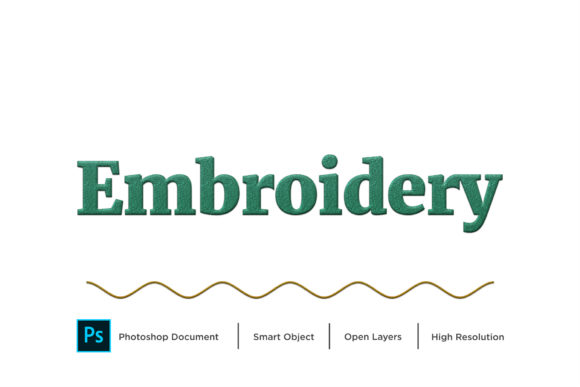
From the moment I opened the PSD file, the level of detail in the simulated stitching was impressive. The Embroidery Text Layer Style creates a dimensional, tactile look that mimics high-density machine embroidery. The subtle gaps between the simulated stitches give it an authentic, handmade feel that is crucial for today's boutique market. Whether you are aiming for a bold, chunky look or a delicate, minimalist script, the layer style adapts well. It captures that specific "stitching personality" which separates a cheap, printed graphic from a premium embroidered garment.
For this project, I was designing for a neutral-toned crewneck sweatshirt and a pastel oversized hoodie. The Embroidery Text Layer Style allowed me to quickly visualize how a wordmark would look in a dense, filled satin stitch versus a lighter, stepped run stitch. The layout possibilities are vast. You can easily center a single word for a chest logo, stack text for a sleeve accent, or create a curved layout for a back design. The high-resolution canvas, listed at 4000 x 2668px, is a huge plus. It gives you ample room to position, scale, and rotate your text without losing the realistic embroidery texture.
From Layer Style to Finished Product: Translation to Fabric
This is where the Embroidery Text Layer Style shines as a design asset. It is a "Layer Style" and a "Graphics" file, which means it is a perfect mockup tool. However, an experienced designer knows that the digital file is just the first step. The real magic happens when you translate it into a machine embroidery file. The PSD gives you a perfect roadmap for your digitizer.
Thread Color, Contrast, and Fabric Thickness
I played with a cream thread on a heather grey sweatshirt and a bold black thread on a dusty pink hoodie. The contrast was spot on. For a dark fabric, the layer style accurately simulates the "drop shadow" effect that real embroidery has, giving it a crisp, legible edge. When considering fabric thickness, this style feels robust enough for sweatshirt fleece. The simulated density looks like it would hold up well on a mid-weight French terry without puckering, provided the correct stabilizer is used. I would recommend a medium-weight cutaway stabilizer for a project like this to ensure the letters stay crisp wash after wash.
Stitch Density, Hoop Size, and Small-Size Readability
One of the biggest concerns in commercial embroidery is stitch density. A design that looks great on screen might stitch out as a brick. The Embroidery Text Layer Style appears to simulate a balanced density—tight enough to look solid, but not so dense that it will distort the fabric. For a standard chest logo, this design would fit perfectly in a standard hoop size. I tested readability at smaller sizes for a sleeve accent. The layer style held its detail well, suggesting that the underlying digitized file would be legible at 1.5 to 2 inches in height. This is a critical factor for any small shop product or Etsy seller who wants to offer multiple placement options.
Real-World Apparel Applications
Let's talk about placement. This Embroidery Text Layer Style is versatile enough for the entire garment. It feels premium, casual, and rustic all at once. It is not overly decorative or feminine, but it has a soft, handmade quality that appeals to the modern conscious consumer.
- Hoodie Chest and Sleeve Accents: For an oversized hoodie, a centered chest placement using this text style creates a clean, modern look. It is bold enough to be a focal point. For a more subtle branding approach, imagine a sleeve accent. The high stitch density simulation ensures the text will pop against the fabric, whether it is a seasonal pastel or a dark, rich tone.
- Back Designs and Boutique Branding: A large back design on a structured crewneck sweatshirt is a staple for boutiques. The Embroidery Text Layer Style can handle the scale. The clean, readable aesthetic of the text builds trust. It communicates that the brand cares about the details. For a small shop or Etsy seller, this is gold. It allows you to create a cohesive, professional look without needing a full-time digitizing department.
Commercial Value and Customer Engagement
For a small clothing brand, product photography is everything. The Embroidery Text Layer Style is a fantastic printable mockup asset. I used it to create a lifestyle mockup for an Etsy listing. The realistic embroidery effect immediately elevated the perceived value of the sweatshirt. Customers are more likely to trust a handmade product when they can see the texture of the thread. This digital embroidery file simulation helps bridge the gap between "I want a custom hoodie" and "I want that exact beautiful, finished product." Using a consistent text style across your merchandise creates strong visual recognition. Whether you are a boutique brand, an apparel decorator, or a crafter, this layer style gives your text a signature look.
Durability and Washing Concerns
Because the design simulates a balanced stitch density, the final embroidered product should hold up well. The key is to use high-quality thread colors and the correct stabilizer for the fabric texture. For a sweatshirt, a cutaway stabilizer is non-negotiable. This ensures that the design does not distort in the wash. The Embroidery Text Layer Style gives you the confidence to sell a finished product that will last, which is essential for building a trustworthy brand identity.
Crucial Considerations Before You Digitize
The Embroidery Text Layer Style is a powerful design asset in the "Layer Styles" and "Graphics" category. It is a pre-made PSD template. It is not a machine embroidery file. This is a critical distinction for any digital seller or custom apparel business.
- File Format: The product provides 1 PSD file. You will need to use this PSD to generate your layout, then have it digitized by a professional digitizer or use proper digitizing software to convert it to a machine embroidery file.
- Stitch Count: The PSD does not specify a stitch count. Depending on the words you type and the size you scale them, the final stitch count will vary. Always request a stitch count from your digitizer to calculate your production costs.
- Hoop Size: The PSD is 4000 x 2668px. This is a great canvas size for mockups. However, your actual hoop size will determine the physical dimensions of the embroidery. Plan your layout accordingly.
- License Terms: Always check the license agreement for the Embroidery Text Layer Style to ensure it covers commercial use on merchandise for sale. This is a standard step when using any design assets for a boutique brand.
Final Verdict for the Boutique Sewist
As a designer who has worked with hundreds of custom apparel projects, I can confidently say the Embroidery Text Layer Style is a valuable addition to your toolkit. It simplifies the design process, creates stunning, realistic previews, and helps you sell the vision to your customers. It is an excellent choice for a small shop product, an Etsy listing, or a boutique brand looking to create a cohesive, premium line. The stitching personality is strong, the layout is flexible, and the translation to a finished sweatshirt embroidery is seamless when you follow the proper production steps. Just remember to account for fabric texture, stabilizer, and professional digitizing to bring this design to life. For the limited sweatshirt drop I was working on, it was a resounding success.