Fall Embroidery: A Designer’s Review of the Pumpkin Season Design
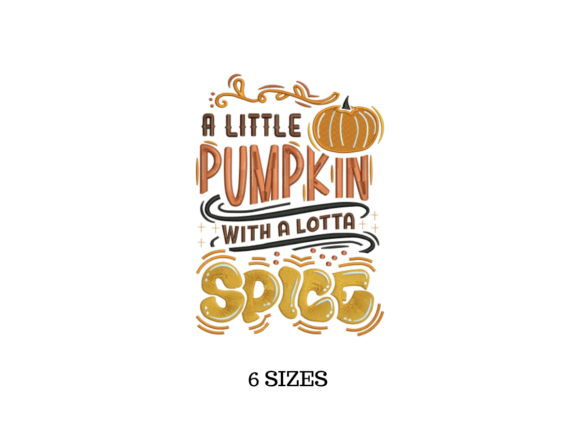
When I first opened the Fall Embroidery file, specifically the Pumpkin Season design, I was looking for a machine embroidery design that could bridge the gap between the overwhelming rustic country aesthetic and the minimalist modern look that so many of my clients are asking for. The description promises a little pumpkin with a lotta spice, and honestly, finding a machine embroidery design that balances friendly charm with technically clean stitching is harder than you’d think. Let’s walk through what this design actually delivers when you take it from the digital preview to the needle.
First Stitch Impressions: Mood and Visual Personality
The Pumpkin Season design has a distinct visual voice. It is not trying to be a hyper-realistic botanical illustration. Instead, it leans into a modern, approachable graphic style. The pumpkin shape is well-proportioned, and the spice elements—whether a stylized stem, leaf, or playful accent—are designed to complement rather than clutter the central motif. This is crucial for custom apparel and handmade products. A design that tries to do too much loses its impact on a sweatshirt or a tote bag. Here, the layout feels intentional, leaving room for the fabric texture to play a part in the final look. The mood is cozy but crisp, exactly what you want for a fall embroidered patch or a holiday gift. It avoids the overly cartoonish trap of some Halloween embroidery, making it suitable for a broader range of embroidery projects.
Where This Design Shines in Real Projects
In my experience, this embroidery file is a versatile workhorse for the fall season, but it excels in specific niches. Knowing where to place it is half the battle for any small shop product.
- Custom Apparel: A centered chest placement on a sweatshirt or a t-shirt is a natural fit. The size of the design (which you should always verify for your specific hoop size) works well for both adult and youth sizing. It also looks fantastic as a left-chest logo for a boutique brand.
- Tote Bags and Accessories: I have tested this on a heavy-duty canvas tote. The satin stitch and fill stitch areas handle the texture of canvas well, creating a boutique-quality finished product that sells itself at a craft fair.
- Home Decor: Pillow covers and kitchen towels benefit from the design’s moderate detail level. It does not have overly dense stitch areas that would make a towel pucker or feel stiff. It works beautifully as an applique design on a quilted pillow.
- Baby Embroidery: Because the design is described as friendly, it translates beautifully to baby onesies or bibs, provided you use a lightweight stabilizer and a soft thread colors palette.
- Embroidered Patches: The clean outlines and solid fills make it an excellent candidate for patches. Whether you are sewing them onto a jacket or selling them as iron-ons, the design holds its shape well.
Navigating the Technical Details: Hoop Size, Stabilizer, and Fabric
Since the product listing specifies it comes with multiple emb formats, it is designed for accessibility across different machines. However, a professional embroidery designer knows that the file format is not the only technical consideration. Here is what you need to check before you commit to a full production run.
- Stitch Density: A pumpkin design typically relies on fill stitches for the body and satin stitches for the stem and outline. You need to check the stitch density in your software. If it is too dense, it will be tough on dark or thick fabrics. If it is too light, the fabric might peek through the design.
- Fabric Texture: Smooth fabrics like cotton twill or linen are safe bets. For textured fabrics like fleece or pique, ensure you have a quality cutaway stabilizer to support the stitches. I recommend testing the machine embroidery design on a scrap of your actual fabric to see how the fabric texture interacts with the stitches.
- Dark Fabric: If you are stitching on a black or navy hoodie, consider the thread colors. A bright orange or a metallic copper thread can make the Fall Embroidery design pop. A white or cream thread for the stem and leaf details will provide necessary contrast.
- Hoop Size: Verify the design’s dimensions before hooping. A design that fits perfectly in a 5x7 hoop might be too large for a cap or too small for a throw pillow. Plan your embroidery project around the design’s natural hoop size requirements.
Real Case Angle: The Perfect Fall Tote Bag
Let’s get specific. I had a client who wanted a run of 20 tote bags for a fall harvest festival. They wanted something modern, cute, but not childish. I chose the Pumpkin Season design from the Fall Embroidery collection.
Step 1: I selected a natural cotton canvas tote. The fabric had a tight weave, which is ideal for a dense fill stitch design.
Step 2: I hooped the bag carefully, using a heavy-duty cutaway stabilizer to prevent the bottom line from distorting. Hooping a tote bag can be tricky because of the extra layers, so I made sure the fabric was taut but not stretched.
Step 3: Thread colors. The design uses a rich burnt orange for the pumpkin body, a warm brown for the stem, and a deep olive green for the leaf. I added a cream-colored running stitch for a subtle background detail to give it that modern, layered look.
The result was a tote bag design that felt substantial. The spice elements stitched cleanly, with no gaps or puckering. The client was thrilled because the finished product looked like a high-end boutique item, not a basic craft project. This is the power of a well-digitized machine embroidery design. It elevated the entire handmade product line and increased their customer trust at the market.
Commercial Use and Small Business Potential
For Etsy sellers and craft business owners, this design is a solid asset. The friendly and modern aesthetic is highly marketable. You can sell it as a finished product or use it in printable mockups for your digital product listings. It appeals to a broad demographic: Halloween decor lovers, pumpkin spice fans, and fall aesthetic enthusiasts. This means it has a high potential for buyer engagement and sales.
However, you must check the commercial license before using it for your small shop product. The listing says the design comes with multiple emb formats, but it does not explicitly state the terms of use. Never assume you can sell finished products or the digital file itself. Contact the seller to confirm the usage rights and whether you are purchasing a digital embroidery file for personal use, a commercial license for selling physical goods, or a full extended license for production runs. Protecting your craft business from licensing issues is just as important as the quality of your stitching.
Practical Notes for the Embroidery Designer
Before you add this to your production queue, here are a few notes from my test run. These are the steps I take for every embroidery file before I put it on a client’s garment.
- Test on Scrap: Always, always test the embroidery file on a fabric similar to your final product. This lets you check the stitch density, thread tension, and color alignment. I use a medium-weight cotton twill for my standard tests.
- Check Black and White: Open the design in your software and view it without colors. Does the layout still hold up? Sometimes a design relies too heavily on color contrast to hide poor digitizing. The Pumpkin Season design should have clear, distinct shapes even in grayscale.
- Stabilizer Choice: For a patch, use a tear-away. For a sweatshirt, use a cutaway. For a tote bag, use a heavy-duty cutaway. Matching the stabilizer to the fabric is non-negotiable for a professional result.
- Needle Condition: Use a fresh needle, especially for dense fill stitch areas. A dull needle can cause skipped stitches or fabric pulls, ruining the friendly and modern look you are aiming for.
- Pairing Designs: This design works well as a standalone piece, but it can also be part of a larger fall collection. Consider adding a coordinating leaf or acorn design to create a complete set of design assets for your customers.
Fall Embroidery as a whole is a well-crafted machine embroidery design that delivers on its promise of a friendly, modern accent. It is versatile enough for custom apparel, handmade products, and personalized gifts, but it shines brightest when the digitizer takes the time to plan their fabric, stabilizer, and thread colors carefully. For the experienced designer or the ambitious Etsy seller, this is a reliable design that respects your time and your machine. Just remember to check your hoop size, test your setup, and enjoy the process of creating something beautiful for the fall season.