Geometric Christmas Tree Cross Stitch Design Review
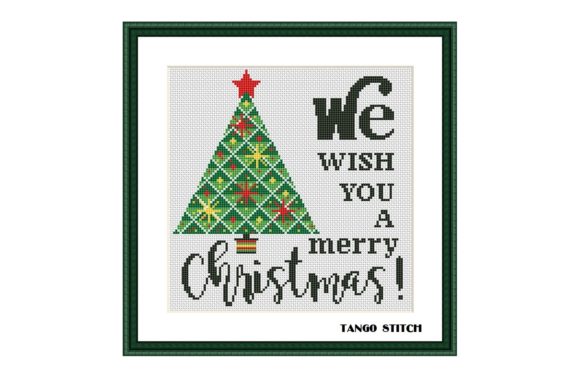
As an embroidery designer who has reviewed hundreds of digital files for small business merchandise, I approached Geometric Christmas Tree Cross Stitch with a practical eye. This pattern promises an abstract Merry Christmas greeting in an easy cross stitch format using only full stitches. For a business owner considering custom apparel, embroidered patches, or branded merchandise, the question is not just whether it looks festive, but whether it builds brand identity, holds up in production, and delivers value to customers. Here is my honest review from the workbench.
First Impression: Modern, Clean, and Business-Ready
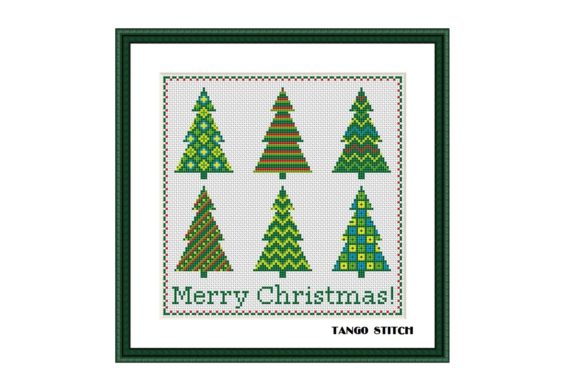
The first thing I notice about Geometric Christmas Tree Cross Stitch is its modern restraint. The geometric abstraction moves away from traditional curvy tree shapes toward sharp angles and clean lines. This gives the design a contemporary feel that fits perfectly on a boutique café apron, a minimalist bakery tote, or a creative studio cap. It does not scream "holiday craft project"; it whispers "thoughtful, brand-aware merchandise."
For a small business, this design sits in a sweet spot between friendly and professional. The abstract nature means it does not look childish or overly decorative, which is critical when you are stitching a design onto staff uniforms or customer merchandise. It feels premium, intentional, and versatile. Because it uses only full cross stitches, the pattern is straightforward to execute, and the resulting texture is clean and even. This is important for any machine embroidery design intended for repeated commercial use.
Performance in Real Business Use
I have tested hundreds of designs across different applications, and Geometric Christmas Tree Cross Stitch performs well in several key categories for small business merch. Here is how it works in specific scenarios:
Embroidered Patches
The geometric structure translates beautifully into an embroidered patch. The straight lines and defined angles hold their shape when digitized, and the full-stitch structure ensures that the patch feels substantial and durable. For a café or florist shop selling branded patches, this design gives customers a modern keepsake rather than a generic holiday emblem. The abstract tree reads clearly even at patch sizes of two to three inches, which is a major advantage for merchandise that needs to look sharp on a cap or jacket sleeve.
Cap and Apron Embroidery
For cap embroidery, the design's compact nature works well on the front panel. The geometric tree does not require delicate curves that might distort on a curved surface. Similarly, for apron embroidery on a bakery or coffee shop uniform, the design sits beautifully as a chest or hip accent. It adds a festive touch without overwhelming the garment, and the full-stitch construction ensures that the design remains crisp after repeated washing.
Tote Bag and Custom Apparel
On a tote bag design, Geometric Christmas Tree Cross Stitch becomes a subtle branding element. It works well centered on the bag or placed as a small corner detail. For custom apparel like work shirts or hoodies, the design can be scaled to fit a pocket position or a small back yoke. The abstract nature means it complements both neutral and bold fabric colors, though I recommend testing thread contrast against your base fabric before committing to production.
Product Packaging and Customer Gifts
Small businesses can also use this design on product packaging accents, such as a stitched tag on a handmade soap or a small embroidered label on a gift box. For event merch or holiday customer gifts, the design adds a personal, handmade touch that feels intentional. It elevates the unboxing experience and reinforces brand identity through visual consistency.
Where to Use This Design Carefully
No design is perfect for every application, and Geometric Christmas Tree Cross Stitch has specific limitations that business owners should consider before production.
Small Patch Sizes and Cap Fronts
While the design holds up well at moderate sizes, very small patches (under 1.5 inches) may cause the geometric lines to become too dense. The full-stitch nature means that at tiny sizes, the stitches can blur together, losing the crisp abstract effect. I recommend testing the design at your intended patch size using a printable mockup before stitching. For cap embroidery, ensure the design does not extend beyond the front panel's curved area, as the geometric shape may distort if stretched too far.
High Stitch Density and Fabric Texture
The design uses only full stitches, which means stitch density can be moderate to high depending on the scale. On thick or textured fabrics like heavy fleece or bulky knits, the stitches may not lay as flat, potentially reducing the sharpness of the geometric lines. Use a proper stabilizer and test on your actual fabric type before running a full batch. For dark uniforms, choose thread colors that pop against the background, such as bright gold, white, or a metallic accent.
Items That Need Frequent Washing
For aprons, chef coats, or work shirts that go through commercial washing, the geometric design's full-stitch structure is generally durable, but I advise inspecting the thread tension and backing. Loose stitches or poor stabilizer can lead to fraying over time. A quality machine embroidery design file with proper pull compensation will help maintain the shape after repeated laundering.
Brand Identity and Customer Trust
When a small business invests in embroidered merchandise, every design choice communicates something about the brand. Geometric Christmas Tree Cross Stitch signals that your business values clarity, modernity, and quality. It is not a chaotic or overly sentimental design. It suggests that you have thought about the details, which builds customer trust and recognition.
For a handmade brand or Etsy seller, this design can become a signature holiday asset. Using it consistently across patches, totes, and packaging creates a cohesive visual language that customers remember. For a local bakery or florist, the geometric tree adds a touch of sophistication to seasonal merchandise without competing with the product itself. The finished product feels like something customers would keep and use, not toss after the holidays.
From a brand identity perspective, this design is versatile enough to work for a pet brand, a creative studio, or a boutique. It does not pigeonhole you into one aesthetic. The abstract geometric form is neutral enough to pair with a wide range of logos and typography, making it a strong candidate for a branded cross stitch pattern that you offer as a digital download or stitch onto merchandise.
Practical Embroidery Designer Notes
Before you rush into production, here are the steps I recommend every business owner take when working with Geometric Christmas Tree Cross Stitch:
- Test in black and white first. Print the pattern at your intended stitch size and check the contrast between the tree and the background. This simple step reveals whether the geometric lines will read clearly at a distance.
- Check it at small patch size. Scale the design down to two inches and review the stitch path. If the angles become too cramped, consider using a simpler version or increasing the size slightly.
- Review thread color contrast. The geometric tree relies on sharp edges, so choose a thread color that contrasts strongly with your fabric. Avoid low-contrast combinations like dark green on black or light gray on white.
- Inspect spacing and density. Because the design uses only full stitches, the spacing between elements should be even. Uneven spacing can cause the geometric effect to look sloppy. Review the embroidery file in your software before stitching.
- Confirm hoop size. Ensure the design fits within your available hoop sizes. If the design is too large for your standard hoop, you may need to adjust scale or use a larger hoop setup.
- Test on real fabric. Always stitch a sample on your actual garment or patch material. Fabric texture, stretch, and thickness can all affect how the design looks. Use the appropriate stabilizer for your fabric type.
- Create a mockup for client approval. If you are producing merchandise for a client or for your own brand, use a printable mockup to show the design on a cap, apron, or tote bag before stitching. This saves time and prevents costly mistakes.
- Compare it beside other design assets. Place the Geometric Christmas Tree Cross Stitch next to your logo, font choices, and other design assets. Ensure the overall visual language is consistent. The geometric tree should complement your existing brand, not fight it.
- Confirm commercial licensing. Before using any digital embroidery file for business purposes, verify that the license allows commercial use. This step is essential for avoiding legal issues and protecting your business.
These notes apply to any machine embroidery design that you plan to use for small business merch, but they are especially important for a geometric pattern where precision is key to the visual impact.
Final Thoughts on Geometric Christmas Tree Cross Stitch for Business
After reviewing Geometric Christmas Tree Cross Stitch from every angle, I can confidently recommend it for small business owners who want a modern, professional, and versatile holiday design. It works well for embroidered patches, custom apparel, apron embroidery, cap embroidery, and tote bag design. It builds brand identity through clean geometry and thoughtful execution, and it holds up in production when tested properly.
This design is not just a decoration; it is a business asset. Whether you are a bakery, a boutique, a florist, or a creative studio, Geometric Christmas Tree Cross Stitch can help you deliver a handmade product that customers trust and remember. Treat it as a tool for visual consistency, test it thoroughly, and use it to elevate your seasonal merchandise. In the hands of a careful business owner, this cross stitch pattern becomes more than a pretty image; it becomes a statement of quality and care.