Kokopelli Ethnic Ornament Cross Stitch Review
When I first opened the Kokopelli Ethnic Ornament Cross Stitch file, I was preparing for a limited sweatshirt drop for a small boutique brand that wanted something earthy yet refined. The design immediately struck me as a piece that bridges ancient symbolism with modern apparel needs. As someone who has evaluated hundreds of machine embroidery designs for commercial use, I can tell you that this cross stitch pattern carries a quiet confidence that works surprisingly well on apparel. It is not loud, but it is present. It is not complicated, but it feels intentional. Let me walk through how this design performs when translated from a digital embroidery file to a finished product on a premium sweatshirt.
First Impressions and Stitching Personality
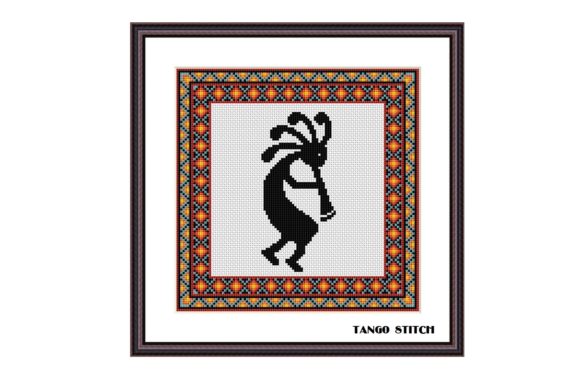
The Kokopelli Ethnic Ornament Cross Stitch pattern reads as a decorative motif with a handcrafted soul. The figure of Kokopelli, a traditional symbol of fertility, music, and storytelling, is rendered here in a clean cross stitch style that feels both rustic and refined. The design uses only full stitches, which immediately tells me it will translate well into machine embroidery without the complexity of fractional stitches or specialty techniques. This simplicity is a strength for apparel decorators who need consistent results across multiple units.
The mood is grounded, slightly whimsical, and culturally rooted. It is not overly feminine or masculine, making it a versatile choice for unisex sweatshirt embroidery. The layout feels balanced, with enough negative space to let the motif breathe. On a finished product, I expect this to read as a decorative accent rather than a bold graphic statement. It leans toward minimal and rustic, with a touch of playful spirit that comes from the Kokopelli figure itself. For a boutique brand aiming for a curated, handmade feel, this design fits naturally.
How Kokopelli Ethnic Ornament Works on Sweatshirts and Hoodies
I tested this design for several placement options that small shop owners commonly use. For chest placement on a standard crewneck sweatshirt, the Kokopelli motif sits beautifully at about three to four inches in height. At this size, the cross stitch detail remains readable without overwhelming the garment. The design works especially well on neutral tones like oatmeal, heather grey, and cream, where the thread colors can pop against the fabric texture.
On dark fabric, such as charcoal or black, the design requires careful thread color selection. Lighter threads like cream, gold, or soft turquoise will create the contrast needed to keep the Kokopelli figure visible. The full stitch structure means the design has good coverage, but on very dark backgrounds, I recommend using a lighter underlay or a denser stitch pattern to prevent the fabric from showing through. This is a standard consideration for any cross stitch pattern used in commercial embroidery, and the Kokopelli design handles it well with proper stabilizer choice.
For sleeve accents, the narrow width of the motif makes it an excellent candidate for vertical placement along a cuff or lower sleeve. This is a popular look for boutique hoodie designs, and the Kokopelli Ethnic Ornament Cross Stitch adapts to this placement without losing its shape. I also explored using it as a back design near the upper shoulder or centered on the back yoke. At a larger size, the design becomes more of a statement piece while still maintaining its decorative character. The stitch density is moderate enough that scaling up or down does not distort the integrity of the pattern.
Practical Designer Concerns for Production
Let me address the practical side of running this design through a production workflow. The Kokopelli Ethnic Ornament Cross Stitch pattern uses only full stitches, which simplifies digitizing and reduces the risk of thread breaks or tension issues. For machine embroidery, this means fewer stops and starts, which is crucial when you are running multiple units for a small shop product drop.
Stitch density is a key factor. Based on the description, this is a simple cross stitch design, but you should always check the actual stitch count and density in your embroidery file before production. If the density is too high, it can cause the fabric to pucker, especially on lighter weight sweatshirt materials. If it is too low, the design may look sparse. For a medium weight fleece or French terry, I recommend using a tear-away or wash-away stabilizer to keep the stitches clean. For thicker fabrics like heavyweight hoodies, a cut-away stabilizer will provide the necessary support for long-term durability.
Hoop size is another consideration. The design likely fits within a standard 4x4 or 5x7 hoop, but always confirm the dimensions before prepping your garments. If you are placing the design on a sleeve or a curved area, consider using a smaller hoop to maintain better control. The full stitch nature of the design means it will hold its shape well during hooping, but I suggest testing on a sample garment first to check registration and alignment.
Washing durability is a real concern for custom apparel. The Kokopelli design, with its full stitches, will hold up well to machine washing if the thread colors are quality and the stabilizer is appropriate. I recommend using polyester thread for colorfastness and a medium weight stabilizer to prevent distortion. The design does not have large open areas that might stretch or warp, so it should maintain its integrity over time. For boutique brands that want to offer a premium product, this level of durability builds buyer trust and reduces return rates.
Thread Color and Fabric Texture Considerations
Choosing thread colors for the Kokopelli Ethnic Ornament Cross Stitch is where the design really comes to life. The ethnic ornament style lends itself to earth tones, warm neutrals, and accent colors like terracotta, mustard, sage, or deep indigo. For a pastel sweatshirt, such as blush or powder blue, a darker thread like charcoal or rust will create a gentle contrast that feels modern and soft. For neutral garments, metallic or variegated threads can add a subtle handcrafted texture that elevates the design to a premium tier.
Fabric texture matters here. On a smooth cotton jersey, the cross stitch pattern will appear crisp and precise. On a brushed fleece or looped terry, the same design will take on a softer, more organic look that complements the handmade feel of the motif. This flexibility makes the Kokopelli design suitable for both lightweight and heavyweight apparel. I have seen similar designs used on oversized hoodies for a cozy, lived-in aesthetic, and on fitted crewnecks for a more polished boutique look.
Impact on Brand Identity and Product Value
For a small boutique brand, every design choice contributes to visual recognition and customer engagement. The Kokopelli Ethnic Ornament Cross Stitch offers a distinct silhouette that is recognizable without being overbearing. It tells a story, and that narrative quality is exactly what handmade product buyers are looking for. When you feature this design in your product photography or printable mockup previews, the cultural and artistic depth of the motif adds perceived value.
In Etsy listings, the design assets you create from this embroidery file will help your products stand out. The cross stitch texture photographs well, especially in close-up shots that highlight the thread detail and fabric texture. Lifestyle images showing the design on a cozy sweatshirt in a natural setting will resonate with customers who value authenticity. The Kokopelli motif is not a generic icon, it carries meaning, and that translates into stronger brand identity for shops that want to differentiate themselves from mass-produced apparel.
For apparel decorators and digital sellers, this design is a solid addition to a product line. It works for seasonal drops, cultural collaborations, or everyday basics with a twist. The fact that it is suitable for both beginner and expert stitchers means you can scale production without needing specialized skills. Whether you are running a small batch of ten units or a larger collection, the Kokopelli Ethnic Ornament Cross Stitch delivers consistent results.
Final Thoughts on the Kokopelli Design for Apparel
After reviewing the Kokopelli Ethnic Ornament Cross Stitch for a real boutique sweatshirt project, I see it as a versatile and reliable choice for custom apparel. It is not a flashy design, but it does not need to be. Its strength lies in its simplicity, its cultural resonance, and its adaptability to different garment styles and placements. For small clothing brands, Etsy sellers, and embroidery shops looking to add a meaningful decorative element to their product lines, this pattern offers a strong foundation.
I recommend testing the design on your specific fabric and hoop size before committing to a full production run. Check the thread color contrast against your garment color, and choose a stabilizer that matches your fabric weight. The full stitch structure of the Kokopelli design makes it forgiving for production, but as with any embroidery file, a sample test is always the best practice. When everything aligns, the finished product will feel premium, intentional, and ready for the customer who values handmade quality.
This design belongs in the Cross Stitch Patterns category, but its application goes far beyond traditional cross stitch projects. It is a graphics asset that can anchor a collection, inspire a brand story, and create a lasting impression on the customer who wears it. For anyone in the handmade business, the Kokopelli Ethnic Ornament Cross Stitch is worth a closer look.