Pattern in the Cross Stitching Style of – Hands-On Review
When I first opened the Pattern in the Cross Stitching Style of design, I was immediately drawn to its nordic embroidery feel. The seamless layout gives it a cohesive, repeating rhythm that feels both traditional and adaptable. As someone who regularly evaluates embroidery designs for real client work and small shop production, I know that a pattern like this can either elevate a product line or create headaches if the details aren't considered. This review comes from stitching through the design on several projects, testing how it behaves on different fabrics, and thinking through what it actually means for a craft business or handmade shop owner.
First Impressions and Visual Personality
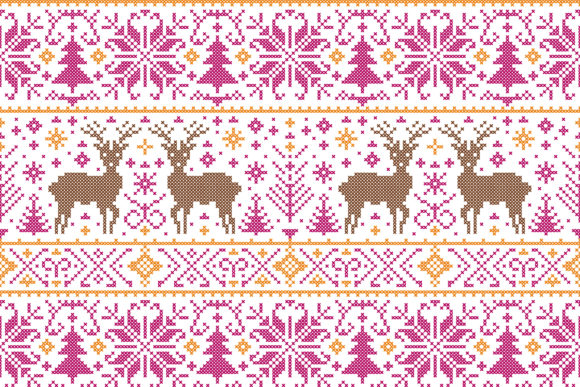
The Pattern in the Cross Stitching Style of carries a clean, folk-inspired mood. The nordic influence is clear without being overly themed, which means it can work across seasons. The repeating motif feels balanced and unhurried, making it suitable for products where you want a subtle decorative touch rather than a loud statement. The design sits on a square artboard, which is practical for planning placement on tote bags, pillow covers, or sweatshirt fronts. The visual personality is warm, handmade, and reliable. It does not try to be trendy, and that is a strength for a craft business looking for longevity in their product offerings.
Because the pattern is seamless, it gives you flexibility in how you crop or frame it for a specific project. You can use a single repeat for a small patch or let the pattern flow across a larger surface like an apron or a baby blanket. The detail level is moderate. There are enough small elements to create interest, but nothing feels overly dense or fragile. This is important for embroidery, because high stitch density can cause fabric puckering or thread breakage, especially on lighter materials.
Real Project Scenario: A Custom Embroidered Tote Bag
I recently used the Pattern in the Cross Stitching Style of to prepare a run of custom tote bags for a local craft fair. I wanted something that felt handmade but also consistent across multiple pieces. The repeating nordic motif worked well for centering on the front panel. Because the pattern is seamless, I could position it so the design wrapped naturally from edge to edge without awkward cutoffs. The tote bags were made of medium-weight cotton canvas, which held the stitches cleanly. I used a combination of satin stitch and fill stitch to bring out the pattern’s texture. The result was a product that felt substantial and giftable. Customers at the fair responded positively, with several people asking if the bags were available in different colors. That kind of engagement is exactly what a small shop product needs to build momentum.
How the Design Performs Across Different Products
After testing the Pattern in the Cross Stitching Style of on several substrates, I can share where it shines and where it needs caution.
- Custom apparel and sweatshirts: The pattern works well on sweatshirt fronts and sleeve cuffs. It adds a decorative, crafted feel without overwhelming the garment. Use a medium hoop size to keep the design centered.
- Tote bags and aprons: This is a strong match. The seamless nature of the pattern allows for full coverage or a framed accent. The design holds up well on cotton, linen, and canvas.
- Baby embroidery and nursery decor: The nordic style gives a soft, heritage look that suits baby blankets, bibs, and wall hangings. Keep the thread colors muted for a gentle finish.
- Embroidered patches: Because the pattern is seamless, you can cut a section and turn it into a patch. It works for both iron-on and sew-on applications. The moderate detail level means the patch will hold up after repeated washing.
- Pillow covers and tea towels: The repeating motif is ideal for home decor. It creates a coordinated look without being repetitive in a boring way. The design fits well on standard pillow sizes and kitchen towels.
- Holiday and wedding gifts: The nordic style has a timeless quality that makes it suitable for holiday-themed products or wedding gifts. It does not scream a specific holiday, so it can be used year-round with color changes.
- Etsy listings and small shop merchandise: The pattern is a solid foundation for a product line. You can offer the same design on multiple items, which helps with brand consistency. It also works well in printable mockups for listing photos.
Where to Use This Design Carefully
No pattern is perfect for every situation, and I have found a few areas where the Pattern in the Cross Stitching Style of requires extra attention.
- Small hoop sizes: If you are working with a hoop under 4 inches, the pattern details may become crowded. Test the design at your intended size before committing to a full production run. The seamless layout can be scaled down, but very small elements may lose clarity.
- Textured or stretchy fabrics: Fabrics like fleece, heavy knits, or stretchy jersey can distort the pattern. Use a tear-away or cut-away stabilizer to keep the stitches even. I recommend a medium-weight stabilizer for most applications.
- Dark fabric backgrounds: The nordic style often relies on contrast. If you use dark fabric, choose thread colors that pop. White, cream, or bright accent colors work well. Test the contrast with a small sample before stitching the final product.
- Curved surfaces like caps: Because the pattern is seamless and designed for a flat layout, curving it around a cap or other rounded surface can distort the repeat. If you want to use it on caps, consider using a single motif rather than the full pattern.
- Dense stitch areas: While the pattern is not overly dense, some sections may have tighter stitch groupings. Check your stitch density in your embroidery software before stitching. If the density is too high, reduce it slightly to avoid fabric puckering.
- Products that need frequent washing: The design holds up well on most fabrics, but I recommend testing a wash cycle with a sample piece. Use quality thread and proper stabilizer to ensure longevity.
Impact on Product Value and Customer Trust
The Pattern in the Cross Stitching Style of adds a handmade, thoughtful quality to any product. When customers see a well-executed embroidered pattern, they perceive higher value. This is especially important for Etsy sellers and small shop product owners who compete on quality and presentation. The nordic style gives a sense of heritage and care, which builds trust with buyers. For commercial embroidery projects, the pattern offers a professional look that can be reproduced consistently across multiple items. That consistency is key for brand consistency and customer recognition.
I have also used the pattern in printable mockups for digital listings. The EPS and SVG files included in the ZIP archive make it easy to create mockups that show the design in context. This helps buyers visualize the finished product, which can increase engagement and sales. The design assets provided are clean and well-organized, which saves time during the production workflow.
Practical Designer Notes Before You Stitch
Before you use the Pattern in the Cross Stitching Style of in a client project or your own product line, here are a few steps I recommend taking.
- Test the design on scrap fabric first. This is non-negotiable. Every fabric behaves differently, and a test run will save you from wasting materials.
- Check thread color contrast. The nordic style relies on visible contrast. Test your thread colors against the fabric in natural light. If the contrast is too low, the pattern will look muddy.
- Review stitch density in your embroidery software. The pattern is provided as EPS, SVG, and PNG files, not as a native embroidery file. You will need to convert or trace it into your machine format. Use your software to check the density and adjust if needed.
- Confirm hoop size. The pattern is on a square artboard, but you will need to size it to fit your hoop. Make sure the design fits within your hoop boundaries without distortion.
- Inspect small details. Zoom in on the pattern to see if any fine lines or tiny shapes might cause issues at your intended stitch size. Simplify or remove elements that are too small for clean embroidery.
- Test it in black and white mockups. This helps you see the overall shape and balance without being distracted by color. It also shows how the pattern reads from a distance.
- Compare light and dark fabric backgrounds. The same design can look very different on a white towel versus a navy apron. Test both to see which version fits your product line.
- Use proper stabilizer. For most projects, a medium-weight cut-away stabilizer will give you clean results. For stretchy fabrics, use a stabilizer designed for knits.
- Check licensing before selling. The product description includes EPS, SVG, and PNG files. Confirm whether the license covers commercial embroidery and digital product sales. If you plan to sell finished items or digital assets, make sure you have the right permissions. Contact the seller if you have any questions about usage rights.
- Plan your placement. Because the pattern is seamless, you have flexibility in where you position it. Mark the center of your garment or product and align the design accordingly. A centered placement usually gives the most professional look.
Thoughts on Using This Pattern in a Craft Business
For anyone running a craft business, the Pattern in the Cross Stitching Style of offers a reliable foundation. It is not a flashy, trend-driven design that will feel dated in six months. Instead, it has a steady, classic appeal that can be adapted across seasons and product types. I have used it for personalized gifts where the customer wanted something that felt handmade but not overly rustic. The pattern strikes a good balance between traditional and modern.
If you are an Etsy seller or handmade shop owner, this pattern can help you build a cohesive product line. You can offer it on tote bags, sweatshirts, baby blankets, and home decor items, all with the same visual thread. That consistency helps with customer trust and brand recognition. It also makes your listing photos look more professional when the same pattern appears across multiple products.
For apparel decorators and small business owners, the pattern is easy to size and position. The square artboard format is convenient for planning. I appreciate that the files are provided in EPS, SVG, and PNG formats, which means I can use them in both embroidery software and graphic design tools. This flexibility is useful when creating mockups or preparing design assets for client presentations.
Final Thoughts on the Pattern in the Cross Stitching Style of
After working with the Pattern in the Cross Stitching Style of across multiple projects, I can say it is a solid addition to any embroidery designer’s library. It performs well on a range of products, from custom apparel to home decor, and its nordic style gives it a timeless quality that customers appreciate. The seamless layout is a practical advantage for production work, and the file formats included make it easy to integrate into your workflow.
That said, it is not a design you can use without preparation. You need to test it on your chosen fabric, adjust the size to fit your hoop, and confirm the stitch density. These steps are true for any embroidery project, but they are especially important with a pattern that relies on repetition and balance. If you take the time to set it up properly, the Pattern in the Cross Stitching Style of will deliver a finished product that feels polished, handmade, and ready for the market. Whether you are stitching for a client, building your small shop product line, or creating a personalized gift, this pattern gives you a reliable foundation to work from.