Would Poop Here Again: A Craft Fair Cross Stitch Review
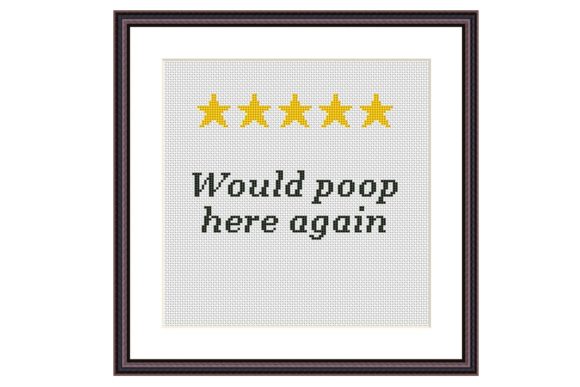
As an embroidery designer who spends more weekends than I care to count behind a craft fair booth, I’ve learned to spot a winner within seconds of downloading a file. When I pulled up the Would Poop Here Again Funny Cross Stitch pattern, I didn’t just see a design—I saw a row of customers stopping mid-aisle to laugh, point, and pull out their wallets. Let’s break down exactly why this simple cross stitch pattern belongs in your production queue for your next handmade market.
First Impressions: Why This Design Stops Traffic
The name alone tells you what you’re getting: unapologetic, bathroom humor with a rustic, modern twist. The design itself is straightforward. It’s not trying to be an heirloom piece. It’s a conversation starter. The fact that the pattern uses only full stitches is a massive green flag for production. It means cleaner execution across different fabric textures and skill levels. It feels bold, funny, and slightly rebellious—perfect for the farmhouse chic or cheeky modern decor market. When you are an Etsy seller or a small shop product crafter, you need designs that create an emotional reaction instantly. This one delivers.
Product Applications: Where It Sells Best
I evaluated this Cross Stitch Patterns asset across the classic product categories that dominate the craft fair circuit. Here is where it performs strongest and where you should use caution.
Tote Bags and Market Bags
This is the number one application for this design. A heavy-duty canvas tote with this design in a bold thread color is a guaranteed seller. The humor is broad enough to appeal to dog owners, parents, and anyone with a sarcastic streak. At a weekend market, I would place this tote bag design at eye level on my booth wall. It draws people in. They read it, they laugh, they buy. It’s a low-cost, high-margin handmade product that feels premium when stitched on quality fabric.
Tea Towels and Aprons
The kitchen is a natural home for cheeky humor. Tea towel embroidery is a staple for any craft fair product line, and this design reads beautifully on a 100% cotton flour sack towel. The simple lettering stands out against the natural fabric. For apron embroidery, this is a no-brainer for grill masters, BBQ enthusiasts, and pet owners. The "full stitches only" construction ensures the design holds up to repeated washing, which is a major selling point you can highlight in your Etsy seller listings.
Embroidered Patches and Caps
I would digitize a version of this as an embroidered patch. Patches are low-risk, high-return items. They allow customers to personalize their own jackets, aprons, or bags. For cap embroidery, you need to be careful. The curved surface of a cap can distort the text if the design is too wide or the lettering is too small. I recommend testing the embroidery file on a scrap cap before committing to a batch. If you scale it down for a smaller patch, check that the humor remains readable. The blocky nature of full stitches can lose clarity at very small sizes.
Pillow Covers and Gift Pouches
For boutique makers, consider stitching this design onto a cotton pillow cover front or a simple fabric pouch. These are excellent add-on design assets for your booth. They appeal to customers looking for a quick, funny gift. The tactile texture of the cross stitch adds perceived value to the finished product.
Production and Selling Points
One of the strongest selling points is the efficiency implied by the "full stitches" constraint. In a commercial embroidery environment, fewer trims, color changes, and complex stitches mean faster hooping and finishing. This is perfect for batch production. You can load up a single thread color and stitch out dozens of towels or bags in a row. This efficiency directly boosts your profit margin.
For digital embroidery file sellers, this design is a gift goldmine. It photographs incredibly well because the humor is in the text. A simple printable mockup on a rustic towel or a bright canvas bag creates an instant emotional reaction. The Graphics of the design are simple, but the impact is huge. It doesn't require a high-resolution image to understand. It communicates instantly.
When you layout your booth for a weekend market, mentally categorize items into "grabbers" and "givers." The grabbers are the loud, funny, high-impact pieces that stop traffic. Would Poop Here Again Funny Cross Stitch is a premier grabber. Pair it with a simple sign that says "The Perfect Gift for a Potty-Mouthed Friend." This immediately signals to the customer that it’s a low-stakes, high-reward purchase.
Technical Considerations from a Designer's Eye
Let’s get into the practical details. Before you start mass-producing, you need to test the machine embroidery design on the exact fabric you plan to use. The stitch density of this pattern is naturally low compared to a filled satin letter design. This means less needle heat, less thread breakage, and happier machines. However, the pixelated nature of cross stitch means fabric texture matters enormously.
- Thread contrast is everything. This design relies on the text being extremely readable. Avoid light thread on light fabric. A bold black, bright red, or neon green will make the design pop. Test your thread colors on a scrap piece of your chosen fabric.
- Stabilizer choice matters. For a finished product like a tote bag, a medium-weight tear-away stabilizer works well. For stretchy knits or caps, a cut-away stabilizer is non-negotiable to prevent the stitches from distorting. Always use a quality stabilizer to support the full stitches.
- Check your hoop size. If you are using a standard 4x4 hoop, you might need to reduce the size of the original pattern. The description says it uses only full stitches, which means it will scale somewhat predictably, but you lose the "chunky" cross stitch aesthetic if you make it too small. For a 5x7 or 6x10 hoop, the design will have room to breathe and look like a true statement piece. Always confirm the hoop size requirements from the Cross Stitch Patterns provider.
- Fabric texture. The "full stitches" create a slightly bumpy, tactile finish. This feels premium on a soft cotton towel. It feels rustic on a burlap tote. It feels modern on a structured canvas. I would avoid using it on very slippery fabrics like satin, as the cross stitch texture can look out of place.
- Commercial licensing. Before you start selling the finished product at your booth or on your Etsy seller shop, double check the commercial embroidery license. Confirm that the provider allows you to sell the physical items. Do not assume it is included. This is a crucial step for any small shop product business.
Booth Display and Customer Engagement
I would strongly recommend creating at least one printable mockup to display in your booth. Customers love to see the design on different items. A simple card with a photo of the stitched design on a towel, a bag, and a patch can increase sales because it helps the customer visualize the handmade product in their own life. Place the stitched item at eye level. The humor is a magnet. People will take a photo of your booth and share it with friends. This word-of-mouth buzz is invaluable for a craft fair product.
Is this design appropriate for every market? Absolutely not. But it will be a massive hit at certain shows. Pet expos, farmer's markets, holiday gift fairs, and any event with a younger, hipper crowd will embrace it. The beauty of a digital embroidery file like this is that it finds its people. The Would Poop Here Again Funny Cross Stitch design will absolutely find its people.
Final Verdict: Is It Worth Your Hoop Time?
To wrap up, Would Poop Here Again Funny Cross Stitch is a solid, production-friendly pattern that delivers on humor and simplicity. It respects the Cross Stitch Patterns tradition while offering a modern, commercially viable message. The reliance on full stitches makes it a dream for batch production and ensures it looks great on a variety of substrates from tea towels to tote bags. It photographs well, it engages customers, and it generates laughs.
Just make sure to check your commercial licensing, test your fabrics, and confirm your hoop size before you commit to a large run. Embrace the potty humor, keep your stitching clean, and get ready to watch your booth traffic increase. Your customers are ready to laugh, and they are ready to buy. This is a design that turns a simple stitch into a memorable sale.