20 Basic Hand Embroidery Stitches: A Seasonal Designer's Review
As the holiday season approaches, I have been testing new resources to add depth and variety to my seasonal shop collection. When I came across 20 Basic Hand Embroidery Stitches on Creative Fabrica, I knew I had to give it a serious look. This class is not a machine embroidery design file, but a thorough walkthrough of essential hand embroidery techniques that any small shop owner can use to create unique, handmade holiday products. After working through the lessons, I can see how this class could be a game-changer for Etsy sellers, craft fair vendors, and anyone building a seasonal product line focused on personalized gifts and home decor.
First Impressions: Seasonal Mood and Decorative Style
The first thing I noticed about 20 Basic Hand Embroidery Stitches is how accessible it feels. The class is built for makers who may be new to embroidery or who have been stuck repeating the same few stitches. The emotional tone is encouraging and patient, which is exactly what you need when you are planning a holiday collection and want to branch out into new techniques. The decorative style leans toward classic and rustic, with a soft, nostalgic warmth that suits winter holiday projects beautifully. Whether you are stitching snowflakes on a pillow cover or adding a monogram to a tote bag, the stitches taught here give you a solid foundation for creating pieces that feel both handmade and premium.
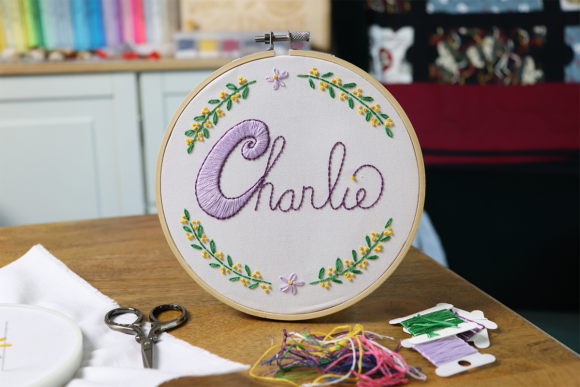
For seasonal product creators, this class opens up a range of possibilities. The stitches range from simple to moderately detailed, and each one is demonstrated in a way that makes it easy to apply to real projects. I found myself thinking about how to use the stem stitch for cursive lettering on kitchen towels, the French knot for tiny holly berries on an embroidered patch, and the satin stitch for filling in small holiday motifs on sweatshirt embroidery. The class does not just show you the stitches—it helps you imagine how they can be combined to create finished products that feel intentional and polished.
Real Holiday Selling Situations
When I evaluate a resource like 20 Basic Hand Embroidery Stitches, I think about how it will perform in actual selling situations. For the holiday season, I have several product categories in mind, and this class fits into almost all of them. Here is how I see it working across different sales channels:
- Etsy listings: Hand-embroidered items are highly giftable, and listing a set of kitchen towels with a mix of stitches from this class could command a premium price. The class gives you the confidence to create multiple variations without repeating the same design.
- Craft fair displays: Shoppers love seeing texture and craftsmanship. Displaying a pillow cover with a visible, well-executed chain stitch or a tote bag with a decorative border in a contrasting thread color creates immediate visual interest.
- Limited edition apparel: Adding hand embroidery to sweatshirts or aprons makes each piece feel like a one-of-a-kind item. The class teaches stitches that work well on fabric texture like cotton and linen, which are common for holiday apparel.
- Family matching items: Matching sets are popular during the holidays. Using the same stitch pattern across multiple items—like a set of ornaments or a collection of baby items—creates a cohesive look that customers love.
- Home decor: Pillow covers, kitchen towels, and embroidered patches can all be made with the stitches in this class. The versatility is a big advantage for small shop product planning.
I also appreciate that the class is a digital embroidery resource in the sense that it gives you repeatable skills. Once you have learned the stitches, you can apply them to any future seasonal collection, from Valentine's Day to fall harvest. That kind of long-term value is rare in a single class.
Where to Use This Class Carefully
No resource is perfect for every situation, and I want to be honest about where 20 Basic Hand Embroidery Stitches requires some caution. Since this is a hand embroidery class, it is not a substitute for machine embroidery design files. If you are looking for a ready-to-stitch digital embroidery file for high-volume production, you will need to look elsewhere. However, for handmade and small-batch seasonal products, the class is excellent.
Here are some specific areas where I recommend careful planning:
- Small hoop sizes: Some of the more detailed stitches can be tricky to execute in a very small hoop, such as when making ornaments or tiny patches. Practice on scrap fabric first to dial in your technique.
- Tiny lettering: Hand embroidery is not as precise as machine embroidery for ultra-small text. If you are planning personalized gifts with fine lettering on a small item, test the stitch size and thread thickness before committing to a finished product.
- Thick towels and dark fabric: Towels have a dense fabric texture that can be challenging to stitch through cleanly. Dark fabric also requires careful thread color selection to ensure the stitches pop. The class covers basic techniques, but you will need to adjust your stabilizer and needle choice for heavier materials.
- Metallic thread: Metallic thread is popular for holiday embroidery, but it can be frustrating to work with by hand. The class does not focus on specialty threads, so you may need to experiment on your own if you want to use metallics in your seasonal products.
- Stretchy garments: Sweatshirts and knit fabrics require a stabilizer to prevent puckering. Hand embroidery on stretchy materials is possible, but you need to plan for it. The class gives you the stitch knowledge, but you will need to apply it with the right fabric preparation.
- Items that need repeated washing: Hand embroidery can be durable, but it is not as tough as machine stitching. For items like kitchen towels or baby items that will be washed frequently, use a high-quality stabilizer and secure all thread ends well.
Seasonal Appeal and Buyer Emotion
One of the strongest aspects of 20 Basic Hand Embroidery Stitches is how it enhances seasonal appeal. Handmade items carry an emotional weight that machine-made products often lack. When a customer buys a hand-embroidered pillow cover or a personalized gift, they are buying not just the item but the story of its creation. The class helps you tell that story through visible craftsmanship and thoughtful stitch choices.
For the holiday season, buyers are looking for products that feel warm, nostalgic, and genuine. The stitches in this class—like the back stitch for outlines, the lazy daisy for small flowers, and the running stitch for simple borders—all contribute to a handmade aesthetic that resonates with gift shoppers. I have noticed that Etsy shoppers in particular gravitate toward items that show clear handwork. A product photo that highlights a well-executed chain stitch on a tote bag design can be the difference between a sale and a scroll past.
The class also supports product value and giftability. When you can offer a variety of stitch styles in your seasonal collection, you can price your items higher because customers recognize the skill involved. Matching sets of kitchen towels with different stitch borders, for example, feel like a premium gift set. The class gives you the range to create that variety without needing to learn dozens of advanced techniques.
From a brand consistency standpoint, using the same stitch family across multiple products helps your shop look cohesive. If you build a holiday collection around the stitches in this class, your customers will start to recognize your style. That visual recognition is powerful during the busy shopping period when buyers are scrolling through hundreds of listings.
Practical Embroidery Designer Notes
After working through 20 Basic Hand Embroidery Stitches, I have compiled a list of practical notes that any seasonal product creator should consider before adding these techniques to their shop offerings. These are based on my own testing and experience as an embroidery designer:
- Test thread colors on light and dark fabric: The same stitch looks completely different on a white kitchen towel versus a navy sweatshirt. Make a sample board with your planned thread colors on each fabric type you intend to use. This will save you from unpleasant surprises when you are stitching a batch of orders.
- Check stitch density: Some stitches, like the satin stitch, can be dense. If you are planning a large filled area, consider the time it will take and whether the fabric can handle the weight of the thread. For seasonal products, you may want to use open stitches like the running stitch or the cross stitch for faster production.
- Confirm hoop size: Before you start a project, confirm that your hoop is large enough to accommodate the full design. For small items like ornaments, a small hoop works fine. For larger items like pillow covers, you may need to move the hoop and match your stitching carefully.
- Use proper stabilizer: Even for hand embroidery, a good stabilizer makes a difference. On stretchy garments, use a cut-away stabilizer. On towels, use a water-soluble stabilizer to prevent the stitches from sinking into the fabric texture.
- Create realistic mockups: When listing your finished products on Etsy, include both a styled photo and a close-up that shows the stitch detail. Buyers want to see the texture. A printable mockup with your design stitched in can help you visualize the final product before you start production.
- Review small details after stitching: Hand embroidery can have slight variations between pieces. That is part of the charm, but make sure your stitches are consistent enough that each item meets your quality standards. Check for loose threads, uneven tension, and proper coverage.
- Plan matching color palettes: For seasonal products, choose thread colors that complement each other across your collection. A cohesive palette makes your shop look professional and helps customers build gift sets from multiple items.
- Check Creative Fabrica product details and licensing: Before you start selling finished products made with techniques from this class, review the license terms on Creative Fabrica. While the class itself is educational, you still want to ensure you are using the resource appropriately for commercial embroidery. Good licensing compliance builds trust with your customers and protects your business.
Final Thoughts on Adding This Class to Your Seasonal Collection
20 Basic Hand Embroidery Stitches is a solid resource for any small shop owner who wants to expand their handmade product line for the holidays. It is not a quick fix for mass production, but it is a genuine skill-building tool that can help you create unique, emotionally resonant seasonal products. Whether you are stitching a set of personalized gifts for Etsy, preparing a craft fair display, or designing family matching items for the winter season, the stitches in this class give you a versatile foundation. I have already started planning my own holiday collection around several of the techniques, and I expect the results will stand out in a market full of machine-made uniformity. If you are ready to add a handmade touch to your seasonal offerings, this class is worth your time.