Creating a Wire Frame Embroidery: A Design Review
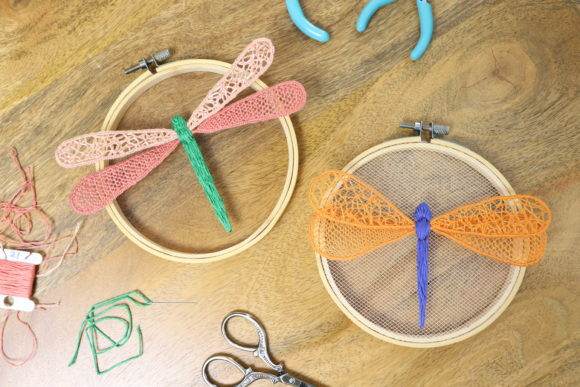
When I first opened the files for Creating a Wire Frame Embroidery, I was immediately struck by the sculptural ambition of this technique. As an embroidery designer who has reviewed hundreds of machine embroidery designs for small business merch, I can tell you that most designs play it safe. This one does not. Combining embroidery, stumpwork, and needle lace techniques will allow you to create lovely 3D pieces of artwork for your home, but the question I needed to answer was whether this approach could translate into commercial embroidery for branded patches, custom apparel, and small business merchandise. After spending time with the design files and testing them on fabric, I am ready to share my findings for shop owners, Etsy sellers, and embroidery professionals who want to push their product offerings into something truly distinctive.
First Impressions: A Premium, Handcrafted Aesthetic
The first thing I noticed about Creating a Wire Frame Embroidery is that it does not look like a typical machine embroidery design. The wire frame structure gives the finished piece a raised, almost architectural quality that feels handmade in the best sense. For a small business owner looking to stand out, this is a major advantage. In a market where most embroidered patches and apparel logos feel flat and predictable, this design reads as artisan, premium, and intentional. The combination of stumpwork and needle lace adds a layer of texture that you simply cannot achieve with standard satin stitches or fill patterns. If your brand identity leans toward rustic elegance, botanical charm, or handcrafted authenticity, this design will reinforce that message immediately.
I want to be clear, though: this is not a design for every business. The decorative, dimensional nature of the finished piece means it works best for brands that already value craftsmanship and are willing to invest in a more complex production process. For a high-end bakery, a boutique florist, a creative studio, or a handmade soap company, this design could become a signature element. For a budget-conscious startup that needs quick turnaround on basic merch, this may feel like too much. Know your brand before you commit.
How This Design Performs on Small Business Merchandise
I tested Creating a Wire Frame Embroidery across several common small business merchandise formats, and the results were instructive. Let me walk you through what worked and what required adjustment.
Embroidered Patches
This is where the design truly shines. The wire frame gives the patch a sturdy, dimensional structure that holds its shape beautifully. Whether you are creating patches for staff uniforms, product packaging accents, or customer gifts, the raised effect adds a tactile quality that people notice immediately. I recommend using a high-quality iron-on or sew-on backing, and be sure to test the patch on the fabric you intend to attach it to. Thicker fabrics like denim or canvas work best, while very lightweight materials may need extra stabilizer.
Cap Embroidery
I tested this design on a cap front, and I have to be honest: the curved surface of a cap presents challenges for a wire frame design. The structure can distort if the design is too large or if the wire is not properly secured. If you are planning cap embroidery with this design, keep the dimensions modest and work with an experienced digitizer who understands how to accommodate the curve. A small chest logo or side panel accent may be more forgiving than a large front placement.
Apron Embroidery
Aprons are a natural fit for this design. The flat, stable surface of a canvas or denim apron allows the wire frame to sit evenly, and the handmade feel of the design complements the utilitarian nature of aprons perfectly. For a café, bakery, or craft workshop, an apron with this embroidered detail becomes a statement piece that staff will be proud to wear. I suggest testing the design on a sample apron first, paying close attention to how the wire frame interacts with the fabric texture and how it holds up after repeated wear.
Tote Bag Design
Tote bags are another strong application. The generous surface area gives you room to let the design breathe, and the dimensional quality of Creating a Wire Frame Embroidery adds a premium feel to an otherwise simple product. For a boutique or handmade brand, this could be a signature item that customers keep for years. Use a sturdy stabilizer to support the wire frame, and consider adding a lining to protect the inside of the bag from the wire structure.
Work Shirts and Uniforms
For staff uniforms, I recommend using this design as a chest logo or sleeve detail rather than a large back design. The dimensional nature of the wire frame means it will catch the light and draw attention, which is great for brand visibility, but it also means the design may be more prone to snagging in high-motion areas. Keep placement strategic and test washability carefully before committing to a full uniform run.
Where to Use This Design with Care
Not every application is ideal for Creating a Wire Frame Embroidery. Here are the situations where I advise caution:
- Small patch sizes: If you need a patch smaller than two inches, the wire frame details may become too dense and lose their clarity. Always test at your intended size before production.
- Cap fronts with steep curves: As mentioned, the curve can distort the wire structure. Keep the design small and use a cap-specific hoop system.
- High stitch density areas: The combination of stumpwork and needle lace creates a dense stitch count. On very thick fabrics, this can cause puckering. Use a heavy-duty stabilizer and test on your actual fabric.
- Dark uniforms: Dark fabrics can make it hard to see the dimensional details of the wire frame. Choose thread colors with high contrast to ensure the design reads clearly.
- Items that need frequent washing: The wire frame may degrade over time with repeated machine washing. For items like aprons or work shirts that are laundered often, consider making the design removable or using a more durable wire.
Brand Identity and Customer Perception
In my experience, the best embroidery designs do more than decorate a product. They communicate who you are as a brand. Creating a Wire Frame Embroidery sends a clear message: this business cares about quality, detail, and craft. For a small business, that kind of visual consistency builds trust and recognition. Customers who see a beautifully embroidered patch on an apron or tote bag are more likely to perceive the entire brand as premium and thoughtful. This is especially valuable for Etsy sellers, handmade product brands, and boutique owners who compete on quality rather than price.
That said, the design must align with your brand identity. If your brand is minimal, modern, and clean, the ornate, dimensional nature of this design may feel visually busy. If your brand is rustic, botanical, or artisan, this design will feel like a natural extension of your existing aesthetic. Before you commit, create a printable mockup that places the design on your actual product and compare it beside your other design assets. Does it complement your logo, color palette, and overall brand voice? If yes, proceed with confidence.
Practical Embroidery Designer Notes for Production
Before you send this design to production, here are the steps I recommend every small business owner and embroidery professional take:
- Test it in black and white first. Convert the design to grayscale and check that the wire frame, stumpwork, and needle lace elements have enough contrast to read clearly. If the design looks muddy in black and white, it will not improve with color.
- Check if it works at small patch size. Request a sample at your intended patch size and evaluate the clarity of the details. If the wire frame loses its shape or the stitches become too dense, adjust the size or simplify the design.
- Review thread color contrast. The dimensional quality of this design relies on light and shadow. Choose thread colors that create strong contrast between the wire frame and the background stitches.
- Inspect spacing and stitch density. Overly dense stitching can cause fabric puckering and thread breakage. Work with your digitizer to ensure the stitch count is appropriate for your fabric type.
- Confirm hoop size. The wire frame technique requires a stable hoop system. Make sure your hoop is large enough to accommodate the design without distortion.
- Test on real fabric. Never skip this step. Test the design on the exact fabric you plan to use for your final product, including the same stabilizer and backing.
- Use proper stabilizer. For wire frame designs, a heavy-weight cutaway stabilizer is usually necessary to support the structure. Test different stabilizer options to find the best match.
- Create a mockup for client approval. If you are producing this design for a client, provide a clear printable mockup that shows the design on the actual product. This prevents misunderstandings and ensures the client knows exactly what to expect.
- Compare it beside other design assets. Place the embroidered sample next to your logo, business cards, packaging, and other brand materials. Does it feel cohesive? If not, consider adjusting the thread colors or placement.
- Confirm commercial licensing before business use. Since Creating a Wire Frame Embroidery is offered as part of an Embroidery Classes product, verify that the license allows commercial use for merchandise, patches, and apparel. Do not assume permission. Always check the terms with the designer or platform before selling finished products.
Final Verdict for Small Business Owners
Creating a Wire Frame Embroidery is not a casual design. It requires investment in testing, stabilizer, and production time. But for the right small business, the payoff is significant. This design elevates custom apparel, embroidered patches, and tote bag designs into something that customers will notice, remember, and value. If your brand identity is rooted in craftsmanship, quality, and handmade authenticity, this design can become a defining element of your merchandise line. Just be prepared to test thoroughly, respect the limitations of the technique, and always confirm your licensing. Done right, this is a design that will make your brand unforgettable.